You’ve got the board, you’re itching to try it, and you open a map — and freeze. Lake? River? That bay down the coast? Which one won’t end with you being blown sideways or swept somewhere you didn’t plan to go? It’s the most practical question a new paddler has, and almost nobody answers it properly.
I’m Allen, Senior Industrial Designer at ABYSUP, and I’ve spent nearly a decade designing inflatable paddle boards — which means I’ve also spent a lot of days scouting water to test them on. The good news: you don’t need a list of famous destinations you can’t reach. You need to know what a beginner-friendly spot actually looks like, so you can recognize one near you.
So that’s what this is. The conditions that make water safe to learn on, how lakes, rivers, and coastlines compare, and a simple checklist for your very first paddle. Learn to read the water once, and every map near you becomes useful.
The 5 Things That Make Water Beginner-Friendly
Forget destination names for a moment. Whether a spot is good for learning comes down to five conditions. Learn these and you can judge any body of water yourself.
- Flat, calm water. No waves, no chop. Flatwater is forgiving and lets you focus on balance instead of fighting the surface. This is the single most important factor.
- No current. Still water — a lake or a slow, gentle stretch — won’t carry you anywhere you don’t intend to go. Strong current is an advanced-paddler problem you don’t need on day one.
- Sheltered from wind. Wind is a beginner’s number one enemy (more on that below). Look for water protected by trees, hills, or shoreline rather than wide-open exposure.
- Easy entry and exit. A gentle bank, dock, or beach where you can get on and off without scrambling. You’ll be doing this more than once while you learn.
- Close to shore, shallow-ish. Water where you can stay near the bank and, ideally, stand up if you fall. It keeps your first sessions inside your comfort zone.
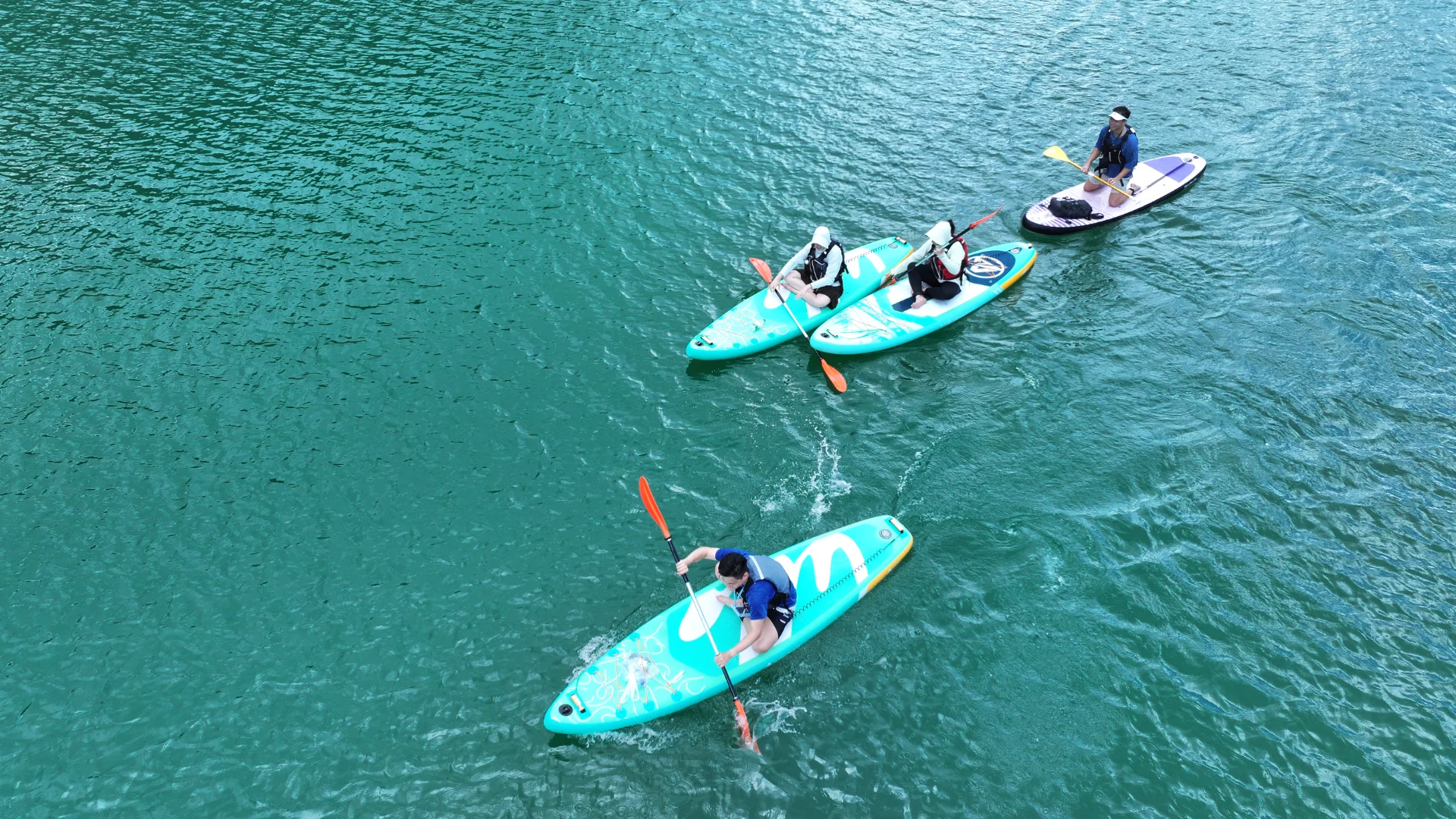
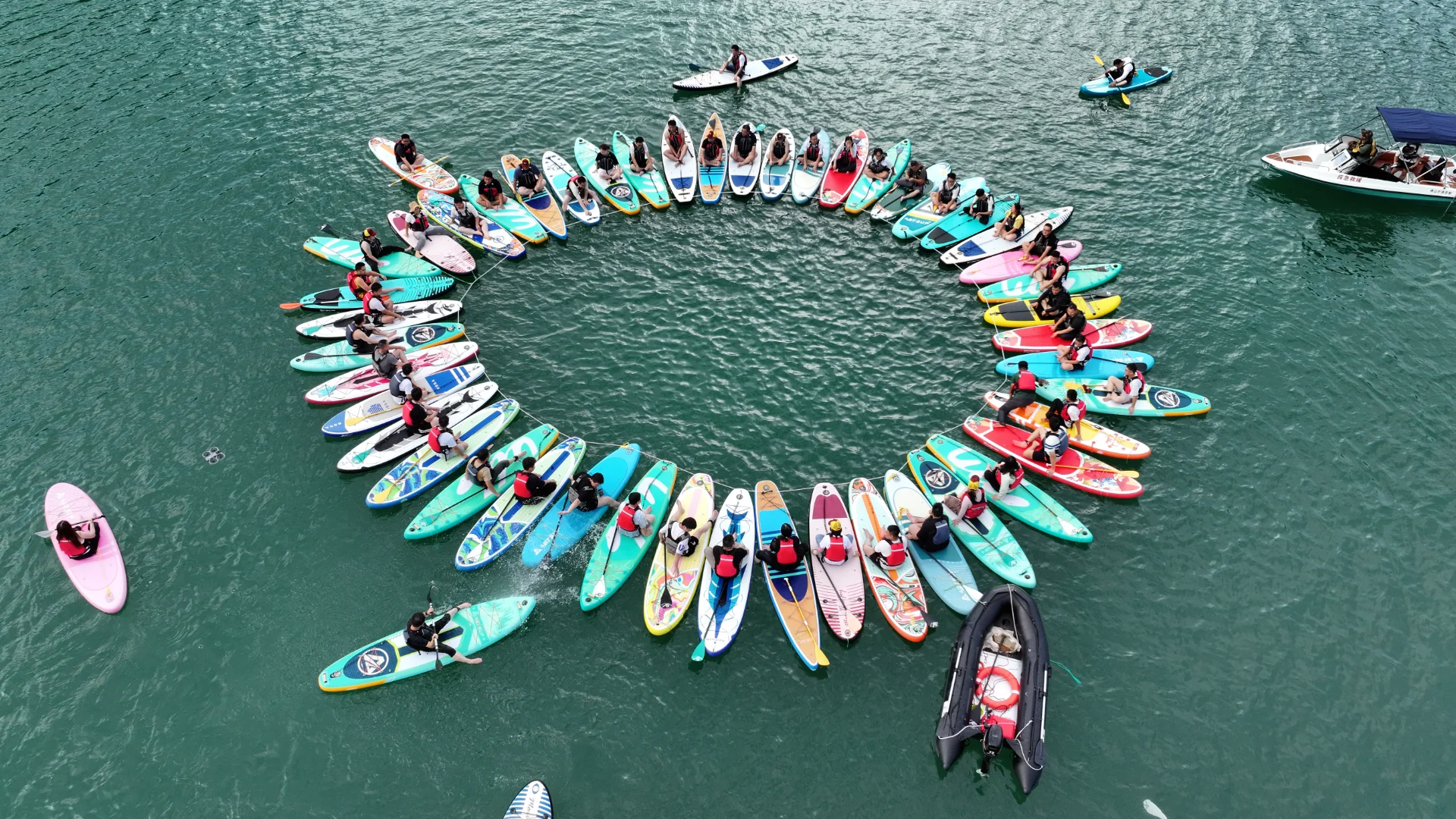
“When we launched our 2026 range, we deliberately ran it on a calm, sheltered lake at the Guangzhou Olympic Sports Center — flat water, protected shoreline, easy entry. Dozens of complete first-timers stood up and paddled within minutes. That spot wasn’t an accident; it’s a textbook example of what beginner water should be, and it’s the standard I’d tell anyone to look for.” — Allen Xiao, ABYSUP Design Team
Tick most of those five boxes and you’ve found a good place to learn — whether it’s a famous lake or the unremarkable reservoir ten minutes from your house.
Lake, River, or Ocean? A Beginner’s Comparison
Now let’s map those conditions onto the water types you’ll actually find near you.
Lakes — the best place to start
A calm lake is the ideal beginner classroom. Flat water, no current, often sheltered, and easy to stay near shore. If you have a quiet lake within reach, start there. Smaller lakes are usually calmer than large ones, which can build their own wind chop on a breezy day.
Slow rivers & canals — good, with caution
A slow, gentle river or a canal can be excellent — flat and sheltered. The rule: know the current before you go. Even a mild current means you’ll paddle upstream first (so the easy downstream leg brings you home), and you should avoid anything with noticeable flow, weirs, or boat traffic until you’re confident.
Sheltered bays & harbours — possible, pick your day
Protected coastal water can work for beginners, but the sea adds variables: tides, wind, and swell. Choose a well-sheltered bay, go on a calm, windless morning, and stay close in. Open ocean and breaking waves are not beginner territory — that’s a goal to grow into, not start with.
Reservoirs & ponds — underrated
Often calm, sheltered, and quiet. Just check access rules first — some are protected or restricted.
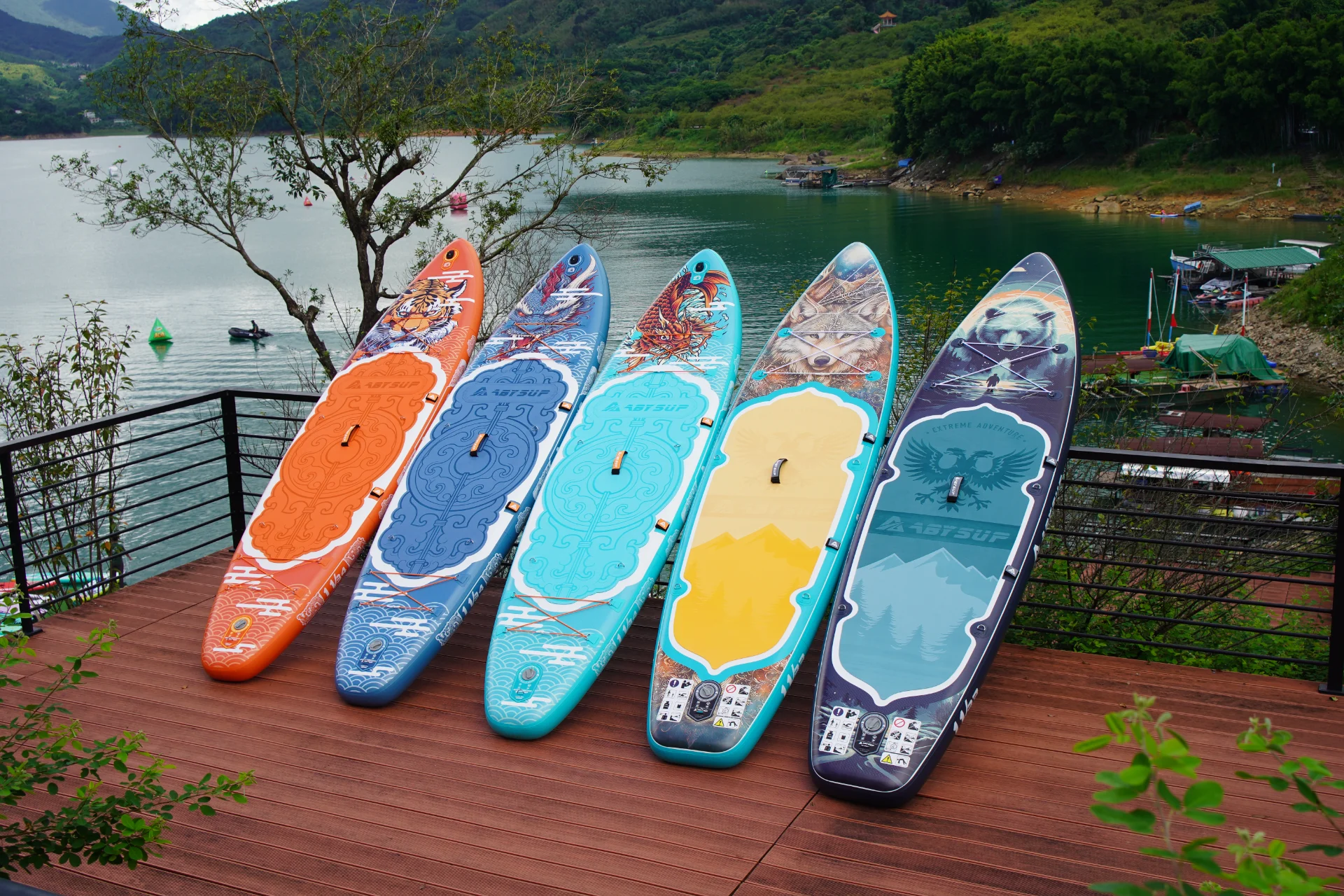
Whatever the water, the right board makes learning easier. A wide, stable All-Round Series board is the classic first choice for exactly these conditions, and our size guide helps you match one to your weight.
Wind, Weather, and Timing: The Part Beginners Underestimate
You can pick a perfect lake and still have a miserable first session if you ignore the sky. Conditions matter as much as location — and one factor dominates.
Wind is the beginner’s biggest enemy. A standup paddle board sits high on the water with you as a sail, so even a moderate breeze pushes you around, makes balancing harder, and can blow you away from shore faster than you’d expect. This catches new paddlers off guard more than anything else.
So plan around it:
- Paddle early. Mornings are usually the calmest part of the day, before the wind builds. A dawn paddle on glassy water is both the easiest and the most beautiful.
- Check the forecast — wind specifically, not just rain. Look for light wind (a gentle breeze or less). If it’s gusty, postpone; the water will be there tomorrow.
- If wind picks up, head in. And if you do get caught, lie or kneel on the board and paddle like a kayak — lower profile, less sail, more control.
- Mind the wind direction. Offshore wind (blowing from land out to water) is risky — it pushes you away from shore. Favor spots where any breeze pushes you back toward the bank.
None of this is meant to scare you off — it’s what turns a nervous first attempt into an easy one. Pick calm water and a calm morning, and you’ve removed almost everything that makes SUP feel hard.
Your First-Paddle Checklist (Wherever You Go)
Found your spot and your calm morning? Run through this before you push off. None of it is complicated, and all of it makes your first day safer and easier.
- Wear a life jacket (PFD). Non-negotiable for beginners, regardless of how well you swim. Many places legally require one, too.
- Always use a leash. It keeps you attached to your board — and your board is your biggest flotation device. On flatwater, an ankle leash is standard. (Note: on moving water, leash type matters for safety — research this if you ever paddle current.)
- Tell someone where you’re going and when you’ll be back. Simple, and it matters.
- Start near shore. Stay in water you’re comfortable in and paddle parallel to the bank, not straight out into the middle.
- Know your swimming ability and respect it. If you’re not a confident swimmer, stay extra close in and consider going with someone experienced.
- Check the rules. Some lakes, reservoirs, and protected areas need permits or have seasonal restrictions. A quick search saves a wasted trip.
- Dress for the water temperature, not the air. Cold water is a real hazard even on a warm day.
For more on building good habits early, the International Surfing Association sets the global standard for SUP instruction, and a beginner lesson is one of the fastest ways to get confident. If you’re hiking out to a remote lake to find that perfect quiet water, a packable Lightweight & Agile board makes the journey part of the fun.
Frequently Asked Questions
Where should a beginner paddle board for the first time?
A small, calm lake on a windless morning is the ideal first spot. You want flat water with no current, a sheltered shoreline, an easy place to get on and off, and the ability to stay close to the bank. Those conditions remove almost everything that makes balancing hard.
If you don’t have a lake nearby, a slow stretch of river, a canal, or a well-protected bay can also work — just check for current and pick a calm day. The destination matters less than the conditions: still, sheltered, and close to shore wins every time.
Can you paddle board on any lake?
Most calm lakes are great for paddling, but not all are open to it. Some are private, some are protected nature reserves, and some have seasonal rules or require a permit. Always check local access rules before you go.
From a safety standpoint, smaller and more sheltered lakes are easier for beginners than large open ones, which can build surprising wind chop. Favor quiet, protected water while you’re learning.
Is it safe to paddle board in the ocean as a beginner?
It can be, in the right conditions, but the open ocean adds tides, swell, and wind that flatwater doesn’t have. As a beginner, stick to well-sheltered bays or harbours, go out only on calm, windless days, stay close to shore, and never head out in offshore wind, which pushes you away from land.
Breaking waves and open water are skills to grow into, not start with. Build your confidence on a calm lake first, then expand from there.
What’s the best time of day to paddle board?
Early morning, almost always. Wind is typically lightest at dawn and builds through the day, so morning gives you the calmest, glassiest water — which is exactly what a beginner wants. It’s also usually quieter and cooler.
Whatever time you choose, check the wind forecast specifically. A calm-looking afternoon can turn breezy fast, and wind affects a paddle boarder more than almost any other condition.
Where do rental operators and clubs take first-time paddlers?
Almost always the same kind of water this guide describes: calm, sheltered, shallow-ish, with easy access and controlled conditions. A good operator chooses a spot where a complete beginner can succeed in the first few minutes, because early success is what turns a one-time tryer into a lifelong paddler.
If you run a club, rental, or resort beside that kind of water, the right fleet of stable, forgiving boards is what makes those first sessions go well — and we’re happy to help you build one.
Find Your Water — and the Board to Match
The best beginner spot isn’t on a top-ten list — it’s the calm, sheltered patch of water near you, paddled on a quiet morning, with the right board under your feet. Learn to read those five conditions and you’ll never be stuck wondering where to go.
When you’re ready to gear up, the stable, forgiving All-Round Series is built for exactly the calm water beginners learn on — and our size guide matches one to you in minutes. If you run a club, rental, or resort by the water and want a fleet that makes first-timers fall in love with the sport, our team would love to talk — apply to the ABYSUP dealer program.
Calm water, calm morning, the right board. That’s the whole secret — now go find yours.