SUP stands for stand-up paddleboarding, a water sport in which you stand or kneel on a board and move using a paddle. The term also appears in product names such as inflatable SUP board. If you’re new to paddleboarding, the important questions go beyond the acronym: Are inflatable boards reliable? What are they made from? How long will one last? And which board should you buy?
What Is a SUP Board?
A SUP board is a floating platform designed to support a paddler who propels and steers it with a handheld paddle. In everyday shopping language, “SUP board” and “stand-up paddle board” usually refer to the same equipment. Boards vary in length, width, outline, construction, and intended use.
All-round SUPs prioritize versatility for relaxed paddling and beginners. Touring SUPs often use longer, more streamlined outlines for distance and directional tracking. Larger stability-focused boards provide additional deck space or carrying capacity. For a closer look at the categories, compare ABYSUP all-round paddle boards with its touring range.
What Is an Inflatable SUP Board?
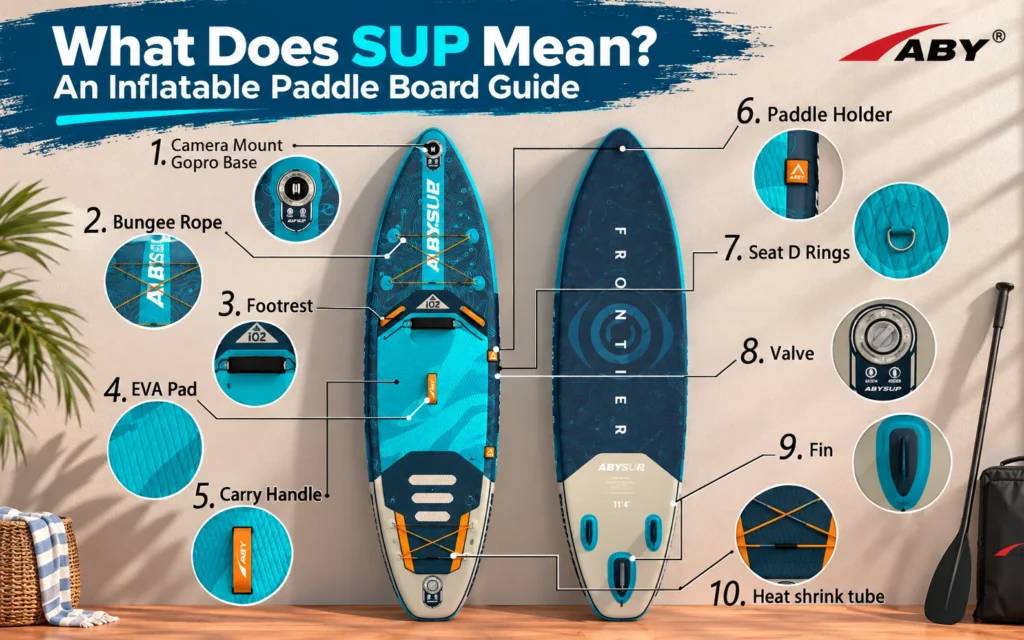
An inflatable SUP board, or iSUP, is a paddle board that can be inflated for use and deflated for transport or storage. Unlike a pool float, a properly designed iSUP uses an internal structure to maintain a relatively flat, firm standing surface at its specified air pressure. Its biggest practical advantage is portability: the board can travel in a carry bag instead of requiring a roof rack or full-length storage space.
Inflation does add setup time, and performance depends on correct pressure, construction quality, and board shape. An inflatable board is not automatically better—or worse—than a rigid board for every paddling activity.
What Are Inflatable SUP Boards Made Of?
Most inflatable paddle boards combine a drop-stitch core, PVC-based outer layers, reinforced rails, and a textured deck pad. Thousands of internal threads connect the top and bottom surfaces of the drop-stitch core, limiting expansion when air is pumped inside. PVC and laminated layers form the outer shell; seams and rails help the board retain pressure. Construction details vary by manufacturer and model.
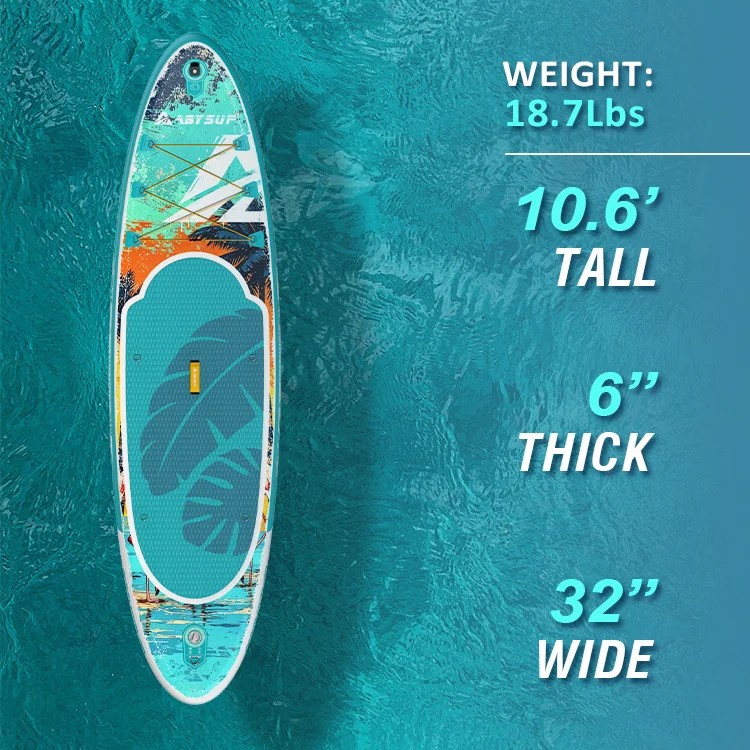
For a concrete example, ABYSUP lists its 10’6″ All-Round board as using MSL fusion drop-stitch construction and PVC, with a 15 PSI recommended pressure and 18 PSI stated maximum. Its published dimensions are 10’6″ × 32″ × 6″ (320 × 81 × 15 cm), with a 295-liter volume. These are manufacturer specifications, not independent laboratory performance results. See the ABYSUP technical specification sheet.
Are Inflatable SUP Boards Any Good?
Yes, for recreational paddling, a well-designed inflatable SUP can be a practical choice, especially when transport and storage matter. Width and shape influence stability, while appropriate inflation pressure helps the board resist flex. Rigid boards can still offer advantages in disciplines where specialized hull shapes and high-speed efficiency matter.
| Buying Factor | Inflatable SUP | Rigid SUP |
|---|---|---|
| Storage | Deflates into a bag | Requires full-length space |
| Travel | Convenient for cars and trips | Often needs a rack or larger vehicle |
| Setup | Requires inflation and pressure checks | Usually ready to launch |
| Performance | Depends on shape, pressure and stiffness | Can support specialized hull designs |
| Maintenance | Inspect valve, seams, pump and air retention | Inspect shell damage and repairs |
Consider a common first-time buyer’s question: “I want a stable board for family days, but I also need it to fit in my car. Will setting it up become a chore?” This is a composite buying scenario informed by customer feedback themes, not a verified customer quotation. The useful answer is to check board width, packed dimensions, pump compatibility, and actual setup requirements, not simply the word “inflatable” on the label.
How Long Do Inflatable Paddle Boards Last?
There is no independently established lifespan that applies to every inflatable SUP. As one published manufacturer estimate, NIXY suggests roughly five to ten years or more for a well-built board with appropriate care. That is a brand estimate, not an industry-wide average or an ABYSUP durability guarantee.
Actual lifespan depends on seam quality, UV exposure, heat, storage conditions, inflation practices, and frequency of use. Rinse away salt and grit, dry the board before long-term storage, avoid prolonged high heat, and inspect the valve and seams. Follow the pressure and storage instructions for your exact model.
Another realistic buyer concern sounds like this: “The board packs away neatly, but what if the pump gauge fails? How will I know I’ve reached the correct pressure?” This is also a composite scenario, not an attributed review. A damaged or unreliable gauge should be replaced or checked with a compatible pressure-measuring pump before use. A good board cannot compensate for an inaccurate pressure reading.
How Do You Start Paddleboarding Safely?
Choose calm conditions, check the forecast and local rules, wear an appropriate personal flotation device, and use a leash suitable for the water environment. In the United States, the U.S. Coast Guard provides guidance on approved personal flotation devices; legal requirements depend on how and where a SUP is used. Avoid fast-flowing water or offshore conditions until you have the skills and safety knowledge for them.
Before launching, inspect the fin and valve, inflate to the model’s recommended pressure, and practice kneeling, standing, turning, and returning to the board in shallow, sheltered water.
Choosing an ABYSUP Inflatable SUP Board
When comparing inflatable paddle boards, start with the specifications that affect how the board will be used: length, width, weight capacity, construction, and included accessories. A board designed for relaxed recreational paddling may not be the best fit for someone who regularly covers longer distances.
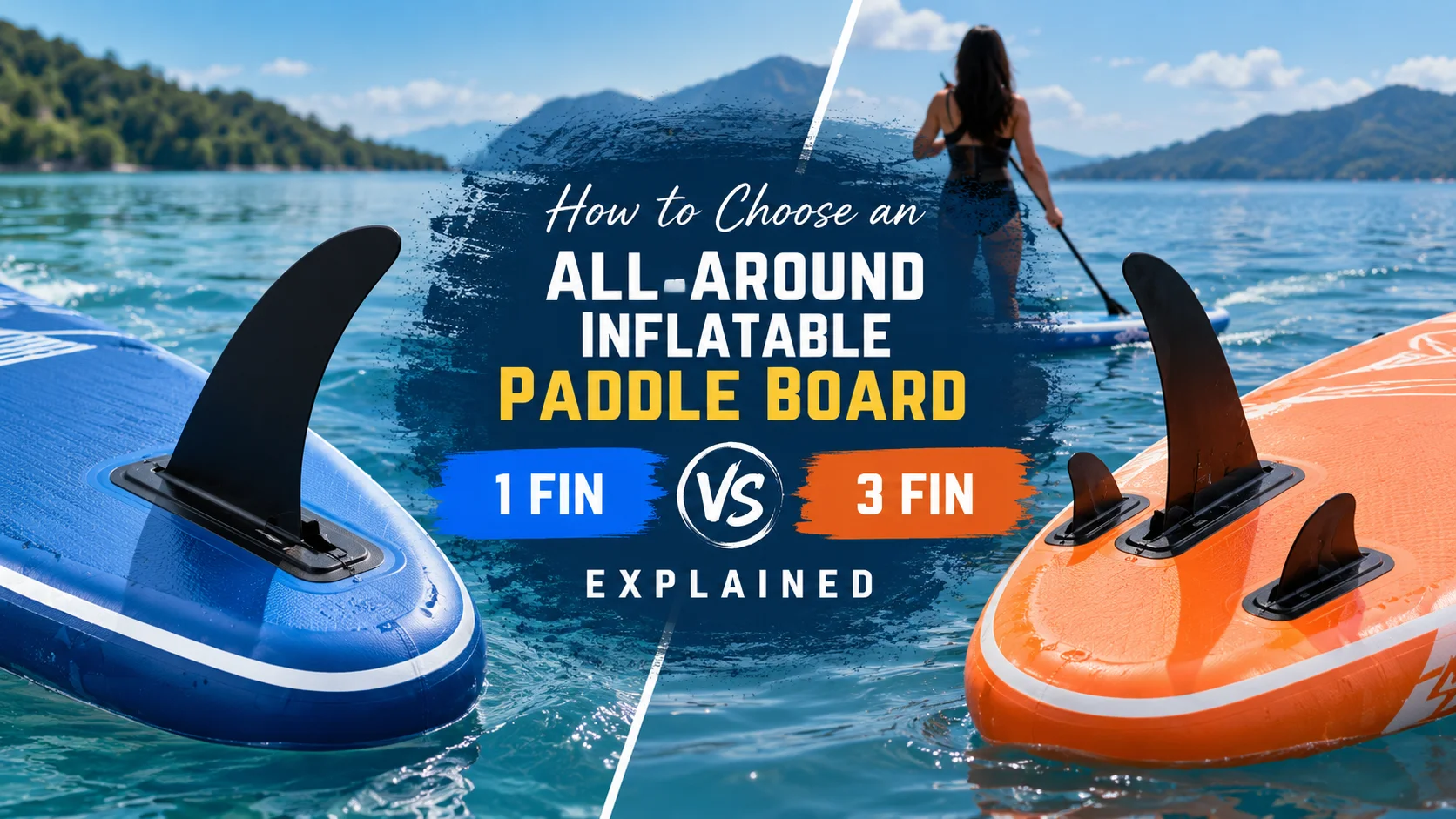
ABYSUP’s All-Round inflatable SUP range is a useful starting point for recreational paddlers and beginners. The product pages provide dimensions, construction details, fin configurations, and other specifications that help buyers compare individual models.
For retailers and distributors, these same details are important when selecting boards for different customers. Rather than choosing products based on size alone, consider the intended use, available accessories, and the needs of your local market. Current product information and dealer inquiries can be requested through ABYSUP’s official website.
Frequently Asked Questions About SUP
Does SUP Mean the Board or the Sport?
SUP primarily abbreviates stand-up paddleboarding, the sport. In product descriptions, it also commonly refers to the board used for that sport.
Are Inflatable SUP Boards Suitable for Beginners?
Many are. Choose a stable outline with appropriate width and load capacity, and learn in calm conditions. An inflatable construction alone does not guarantee beginner suitability.
Can You Sit on an Inflatable SUP?
Yes, you can paddle while sitting or kneeling. Adding a dedicated kayak seat requires compatible attachment points and accessories.
How Much Pressure Does an Inflatable SUP Need?
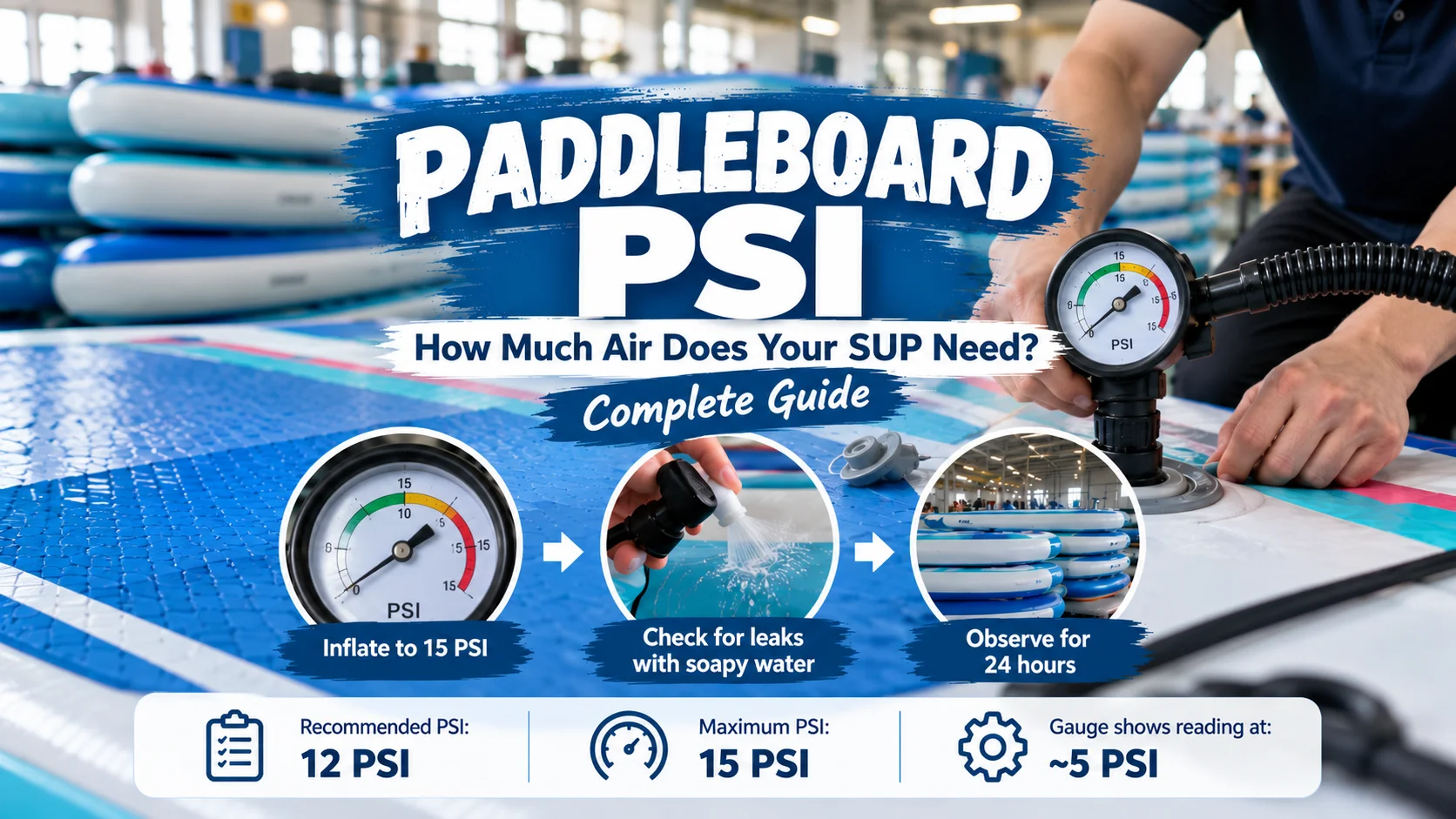
Follow the exact manufacturer’s instructions. For example, ABYSUP lists 15 PSI as the recommended pressure for its referenced 10’6″ All-Round model; do not assume that value applies to every board.
Conclusion: Understand SUP, Then Choose by Use Case
SUP means stand-up paddleboarding, but choosing an inflatable SUP takes more than understanding the name. Compare construction, dimensions, stability, accessories, and realistic maintenance needs. If you’re evaluating products for personal use or a retail assortment, start with the ABYSUP All-Round range and review the published specifications before requesting a quote.
Looking for inflatable SUP products for your store?
Explore ABYSUP’s all-round range and request current specifications, product information, or dealer pricing through the official product page.
Sources and Data Notes
- ABYSUP — All-Round Inflatable SUP . Source of model dimensions, construction, pressure and volume; manufacturer-published specifications.
- The SUP Company — Inflatable SUP Construction Guide . Explanation of drop-stitch, PVC and rail construction.
- NIXY Sports — How Long Do Inflatable Paddle Boards Last? . Manufacturer lifespan estimate; not independent lifespan data.
- U.S. Coast Guard — Recreational Personal Flotation Devices . Official safety equipment guidance.
Editorial note: First-person buyer questions in this article are composite scenarios based on supplied review themes; they are not verified direct customer testimonials. No original ABYSUP performance or lifespan testing is claimed.